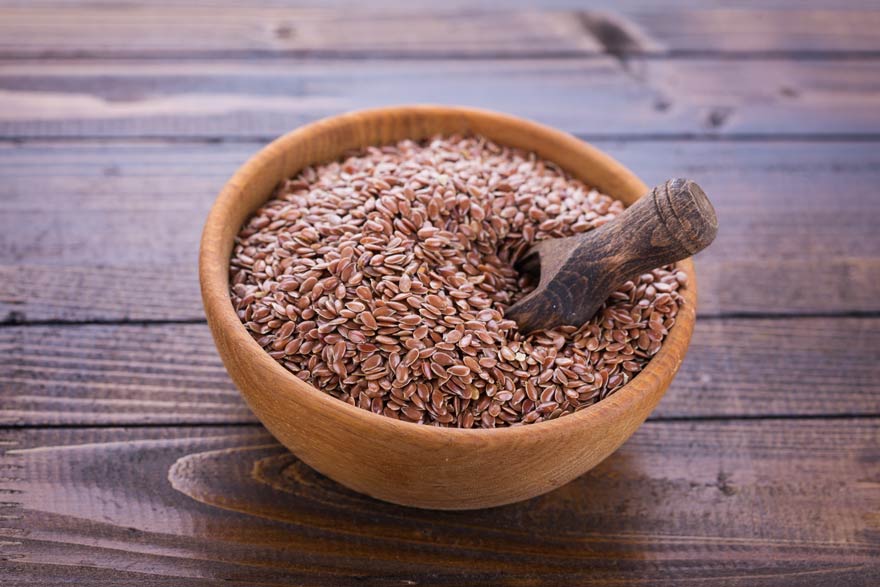
First thing’s first, what on earth is freekah?
Besides being an excellent target for pun connoisseurs like yours truly, it’s one of a group of grains known as ancient grains. And it’s not the only one. There are, depending on who you talk to, somewhere between five and fourteen ancient grains. And a lot of them are worth discovering and popping into your eating habits, mainly because they’re fantastic superfoods. Ancient grains are basically a group of grains and pseudocereals that are considered to be “ancient” because they’ve had minimal human involvement, selective breeding and genetic modification over the millennia. For this reason, they’re generally considered to be more nutritious than other cereals and grains. Their health benefits can range from improving your digestion to boosting your immunity.
There’s no official definition for what constitutes an ancient grain, however they’re loosely defined as grains that have remained relatively unchanged over the past few centuries. Among the grains considered to be “ancient” are several varieties of wheat, including spelt, Khorasan wheat (also known as kamut), freekah, bulgur, farro, einkorn and emmer, as well as the grains millet, barley, teff, oats and sorghum, and a group known as pseudocereals which contains quinoa, amaranth, buckwheat and chia.
Are they really better for you? And why?
Well, first, you need to understand that modern varieties of grains have been selectively bred for hardiness and growth, rather than for nutrition. Modern wheat, for example, is hybrid descendant of three different wheat species that are considered ancient grains: spelt, einkorn and emmer. And as for the question: are they really better for you? Well, there’s some dispute about that. Some nutritionists claim that a lot of the ancient grains have richer nutrient profiles and myriad health benefits, but others say they’re not inherently any more healthy than modern grains.
The recent uptick in the popularity of ancient grains has been primarily driven by an interest in high protein diets and foods that are rich (or richer) in protein, alongside the need for healthful, gluten-free grain alternatives. Now, some, but not all ancient grains are gluten-free: Amaranth, quinoa, buckwheat, millet and teff are gluten-free, however oats and a lot of the ancient forms of wheat (including spelt and einkorn) are not.
There are several of the ancient grains that have significant health benefits though. In no particular order, please meet…
1. Freekeh (free-kah)
Yep, we’re diving into the ones with the funny names first. Freekeh is a form of wheat known for its nutty taste and slightly chewy consistency. It’s an excellent source of protein, in fact 100 grams of it contains approximately 350 calories and around 15 grams of protein, compared with wheat, which contains only 12. Freekah also contains more than double your daily value of zinc, over 1.5 times your RDI of iron and copper, and it’s also a rich source of calcium and magnesium. The grain contains plenty of insoluble fibre, (in fact three times the amount in brown rice) which can help ease digestive complaints like constipation and diarrhoea, and is a prebiotic that’s great for your gut microbiome. Freekah’s high protein content helps to keep you fuller for longer and might even support weight loss by helping you feel full for longer. It also contains levels of the antioxidants zeaxanthin and lutein, which are considered beneficial for maintaining eye health.
2. Amaranth (am-ah-ranth)
Amaranth is gluten-free and has a porridge-like texture, with a mildly nutty taste. It’s considered to be easily digestible for those recovering from illnesses and it’s also a great source of plant protein, packing 9 grams of protein per cup. It’s also considerably lower in calories than a lot of other grains, with one cup containing around 251 calories. Amaranth is rich in fibre and it has levels of many major vitamins and minerals, including more than 100% of your RDI of manganese, almost half your daily intake of magnesium, and it’s also a rich source of phosphorus, iron, selenium and a good source of copper, calcium, B6, folate and zinc. Research has found Amaranth consumption can help to lower cholesterol, assist with digestion (thanks to the unique combination of soluble and insoluble fibre) and, according to another study, the high levels of manganese may even help fight diabetes.
3. Farro (fah-row)
Farro is a type of wheat commonly found in Mediterranean diets. It’s a great alternative to more refined grains and it’s easy to add into your diet. It has a dense, chewy texture that’s similar to the arborio rice used in risotto. Interestingly, farro isn’t just one type of grain. The name farro is used interchangeably to describe several different varieties of wheat, including einkorn, emmer and spelt. Farro is commonly prepared similarly to rice, by cooking it in boiling water. This grain is particularly rich in fibre and protein, and notably low in calories. In fact, farro is higher in fibre than either quinoa or brown rice and lower in calories than either. One cup of farro contains 24 grams of protein, more than 50% of your RDI of vitamin B3, as well as being a good source of magnesium, zinc and iron. A cup of farro also contains a whopping 20% of your daily recommended intake of fibre, which studies show can lower your cholesterol, and decrease your risk of Type 2 diabetes and heart disease. Noice! Farro is also a good source of antioxidants. Worth noting is that as farro is a type of wheat, it’s not gluten-free so should be avoided by anyone with a gluten intolerance or allergy.
4. Millet (mill-ette)
A corn-like grain that looks a little like tiny pellets of bird seed, millet has a fluffy texture when cooked similar to mashed potatoes or fluffy steamed rice. It has a nutty flavour and is incredibly good for your heart. As well as being high in fibre and protein, and rich in B group vitamins, phosphorus and manganese, millet also contains calcium, iron and zinc. It’s been shown in studies to assist with controlling diabetes, lowering triglyceride levels and increasing good HDL cholesterol levels. One cup of cooked millet contains only 286 calories, 8 grams of protein and three-quarters of your daily recommended intake of manganese. Millet is a hypoallergenic (or low-allergy), gluten free grain.
5. Kamut (kah-moot)
Kamut is a variety of wholegrain wheat. Compared to modern wheat, it’s a richer source of polyphenols and fatty acids. It’s also higher in protein and a wonderful source of vitamins and minerals. A one cup serving of kamut contains around 11.5 grams of protein, 250 calories and 7 grams of fibre. It’s a good source of niacin, thiamin and also contains levels of riboflavin, folate and vitamin B6. Despite being unable to differentiate chemically between breads made from kamut and breads made from modern wheat, research has found several beneficial health effects from breads made with ancient grains. These include counteracting oxidative damage, as well as reductions in cholesterol and blood glucose levels, reductions in blood pressure, plus improvements in gut health. One study even found reductions in inflammatory markers and improved cancer risk. Yep, all from the difference in the variety of wheat! Crazy, right?
6. Sorghum (saw-gm)
Sorghum is native to Africa and it is used primarily in the production of molasses. It’s considered the world’s fifth most important grain crop. Sorghum is safe for those with wheat allergies to eat and a great alternative to other cereals and grains. It’s high in energy, fibre, and a great source of protein. A 100 gram serving of sorghum contains ten grams of protein, 6.5 grams of fibre and only 329 calories. It also packs a whopping nutritional punch, including levels of niacin, riboflavin, thiamin and magnesium. It’s also a very rich source of iron, copper, calcium, phosphorus and potassium. A recent review of the research found that sorghum consumption is associated with reduced markers of oxidative stress, improved immune response and improvements in blood glucose responses. Other studies have found that sorghum contains significant levels of antioxidants and phenolic compounds, as well as being a good source of bioactive and anti-inflammatory properties which are associated with improvements in chronic diseases and reductions in mortality.
7. Teff (tehf)
And last but not least, teff! It might not be as popular as some other gluten-free grains, like quinoa or buckwheat, but it’s worth trying because many people believe it has a nicer taste and texture. And it’s also got some impressive health benefits too! Teff is a grain that consists of tiny bulbs about the size of poppy seeds. It’s incredibly high in iron, calcium and fibre. When cooked, it makes something akin to polenta or porridge, it can be lovely added to soups and stews and has what many people describe as “an earthy, nutty flavour.” Teff is also used to make gluten free breads and baked goods. One cup of cooked teff has around 255 calories, 10 grams of protein and 7 grams of fibre. It also contains more than three times your RDI of manganese, a third of your recommended daily intake of phosphorus, magnesium, iron, copper, and thiamine and is also a good source of potassium, zinc, calcium, B6, niacin… honestly, the list goes on. Research shows that the consumption of teff can help with a whole host of things, from iron deficiency and anaemia to reduced oxidative stress to PMS symptoms (thanks to its high levels of copper and zinc.) Because of its high fibre and protein content, teff is likely to keep you fuller for longer and may assist with weight loss too.
So, now you know the A-Z of ancient grains, which ones will you be incorporating into your diet? Got any faves from the above list? Personally, we’re inspired to take a break from quinoa and chia and try millet, farro and getting a little freaky with freekah too!
If you’re feeling keen, you can give two of our recipes a shot. There’s a delish Brussels sprout salad with crispy bacon and farro or this Farro Pilaf with brown mushrooms. Nom!
We’d love to know which ancient grains you’ll be trying this week. Let us know in the members’ Facebook Group.