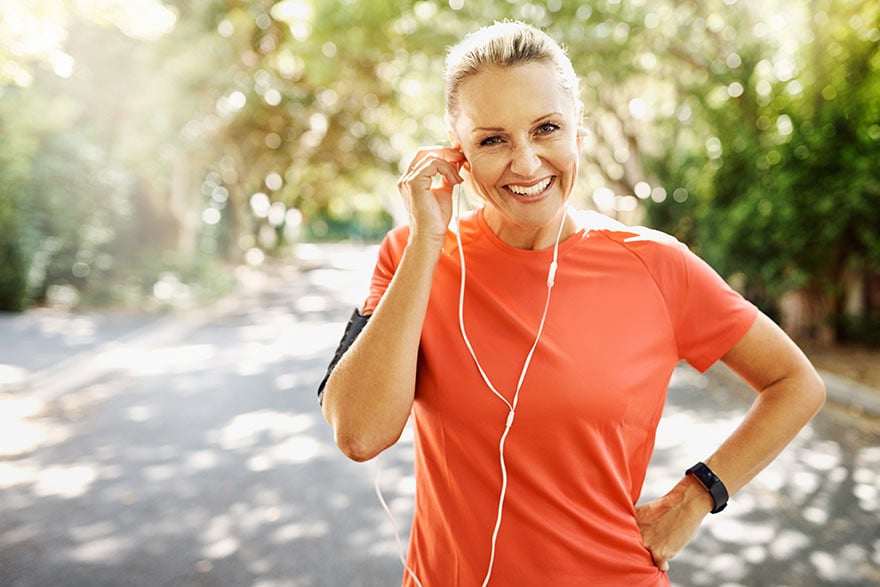
As you’ll know by now, you don’t have to exercise to lose weight with intermittent fasting, but there are loads of other reasons why it’s great for you and why you should shake that booty more often. Especially now that you’re a Master Faster!
The positive effects of exercise have been well-documented, but for those of you who need a little more convincing, we’ve collected some of the best, most surprising studies on the benefits of exercise. It’s time to move it or lose it, people.
Exercise makes you smarter
The hippocampal (yes, that’s a word!) region of the brain is particularly responsive to exercise. This is the region of the brain which is involved in learning and memory. It’s also one of only two regions of the human brain which continues to generate new neurons throughout your life. Exercise helps to prevent age-related cognitive decline and promote the generation of new neurons. Which, basically, makes you smarter!
Exercise has also been shown to improve spatial memory (or the way your brain records information about your environment and surroundings), reduce the stress hormone cortisol (which helps your mood), and produce a substance called cathepsin B, which has been linked to an increased ability to learn, retain information and process it more clearly.
Exercise increases your lifespan
Ok, so you probably knew this already, but for those all the way in the back, Imma speak up: exercise a bit and you’re far more likely to live longer. A growing body of evidence suggests that a sedentary lifestyle is one of the greatest health threats of the 21st century. So how should we combat said threat? Just move a bit. It doesn’t need to be that much either. Recent research shows that as little as 2.5 hours per week of moderate intensity leisure-time activity (i.e. activities during which you can talk) can increase your life expectancy by up to 3.4 years.
Exercise has also been shown to reduce your risk of cardiovascular disease. And another study found that short bursts of more intensive exercise, such running, could also have significant health benefits. In fact, just one hour of running could add as many as seven hours to your life. Well, that’s a win any way you look at it!
Exercise strengthens your heart
The leading causes of death worldwide are heart disease and stroke. And about 80% of all cases are preventable. Exercise reduces your risk of heart disease, improves hypertension and other cardiovascular disease risk factors like high LDL cholesterol. It also lowers your resting heart rate, increases insulin sensitivity and improves blood sugar control.
And not only that, but research shows exercise has anti-inflammatory benefits which can help reduce your susceptibility to other diseases like diabetes and pancreatic damage.
Exercise strengthens your bones
If you’re dealing with aches and pains, a little booty shaking could be the best possible prescription. Exercise increases bone mineral density levels and muscle mass, reduces the chance of bone fractures and improves mobility. This is particularly important for menopausal and post-menopausal women, who are susceptible to bone loss. And it’s not just your arms and legs that benefit. One study showed that physical activity increased bone mineral density in places like the neck, lumbar spine and hip too.
Exercises like walking, cycling, dancing, playing tennis and simply climbing the stairs are particularly good for building bone strength.
Exercise decreases stress
Feeling a little fried? Is your fuse shorter than it used to be? It could be stress. The good news is, there’s a bona fide cure for it. Yep – you guessed it – movement. Exercise buffers your brain against stress, helps to improve the symptoms of 91% of anxiety disorders, including those of panic disorders and social anxiety. It also pumps up your brain’s production of feel-good neurotransmitter endorphins and helps to improve sleep quality.
New research also shows it encourages the production of another neurotransmitter called GABA, which quiets unnecessary (and anxiety-producing) brain activity. Which may explain why you feel so ~chill~ after a workout.
How hard should you exercise?
Not as hard as you’d think. Moderate intensity exercise is considered anything between 50-70% of your maximum heart rate, and vigorous intensity exercise is considered anything between 70-85% of your maximum heart rate. To figure out your maximum heart rate, just subtract your age from 220. For a 39-year-old woman, whose maximum heart rate is 181, moderate intensity exercise would constitute anything between 90–126, and vigorous intensity exercise would constitute anything between 126–153.
See? Exercise isn’t a four-letter word. It’s actually a five-letter word: M-A-G-I-C!
Remember to jump into the Members’ Only Facebook group to let us all know how your journey to a more fabulous, fit you is going. We’d love to hear how a little bit of extra booty shakin’ is improving your life!