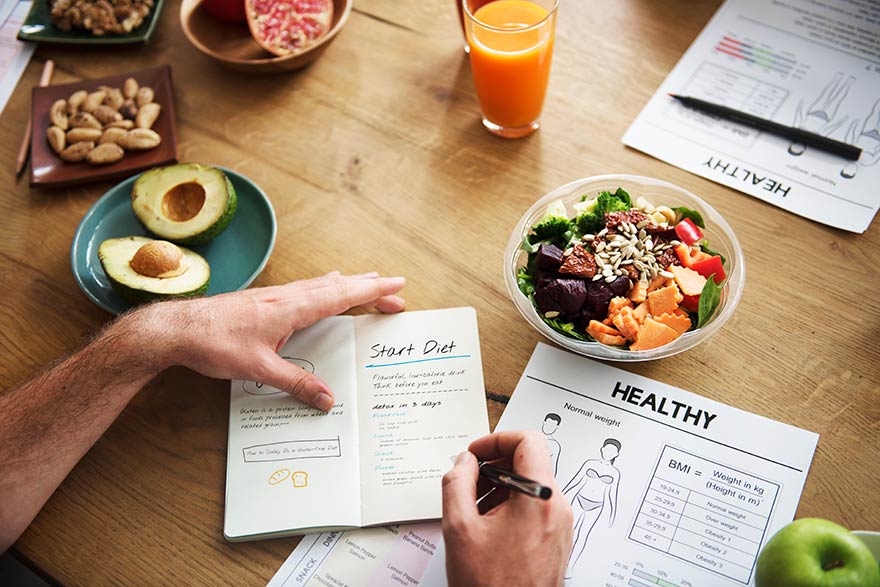
Firstly, let’s start by making an important point: eating fat doesn’t make you fat.
Yes, fat is higher in calories per gram than carbohydrates or protein. Carbs and protein contain 4 calories per gram each, whereas fat contains 9 calories per gram.
Because it packs a more calorific punch than other macros, fat has been a little demonised over the past few decades. But it’s actually an essential part of your diet, because it supplies you with essential fatty acids like omega-3 (which your body needs, but can’t make); helps with the absorption of fat-soluble vitamins like A, D, E and K, as well as disease-fighting phytochemicals like carotenoids. It also adds flavour and texture to foods, helps to fill you up and satisfy your hunger.
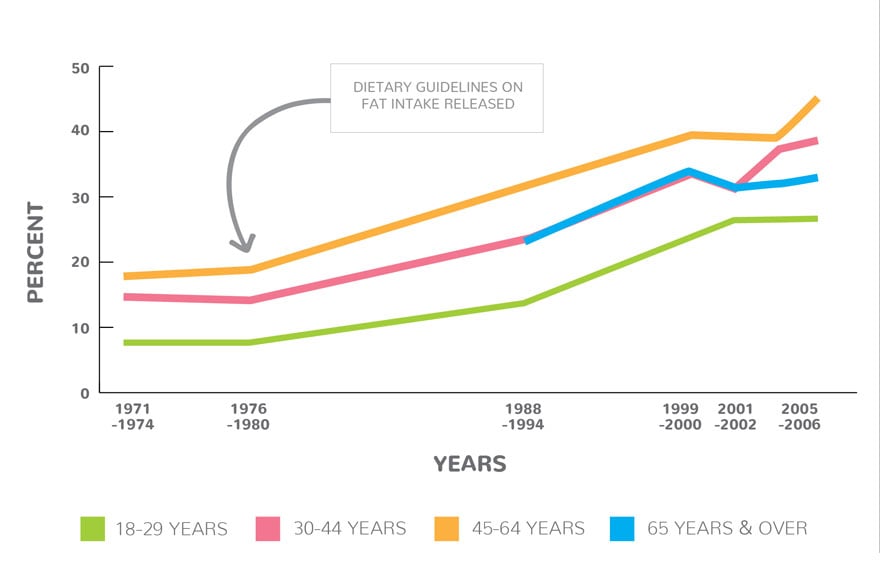
So, how much fat should you eat?
The ideal macro-nutrient breakdown is different for each person, but as a guide, experts suggest around 45-65% carbs, 15-35% protein and anywhere between 15-35% fats. But be aware, not all fats are created equal. A good place to start is to focus on dedicating at least 10% of your daily dietary intake to healthy fats – yes, even on fasting days!
What are some healthy fats?
Well, let’s start by revisiting a quote from our Super Expert, Associate Professor of Nutrition and Registered Practising Dietician, Dr. JJ Mayo: “Nature doesn’t make bad fats, factories do!” In short – if it comes from a packet, or was produced by a factory, it’s most likely not a healthy fat.
Basically, you should aim to include a balance of healthy monounsaturated and polyunsaturated fats, omega-3s and some saturated fats. You should also try to limit your intake of saturated fats to under 30g per day and consume very few trans fats.
Monounsaturated fats:
* Avocados
* Nuts like almonds, cashews and peanuts
* Oils like extra virgin olive oil, sesame, canola and peanut
* Nut butters like peanut butter
Polyunsaturated fats:
* Fatty fish like salmon, mackerel, herring and trout
* Seeds like linseed, chia and flaxseeds and seed spreads like tahini
* Nuts like walnuts, pine nuts and brazil nuts
* Oils like soybean, sunflower and safflower
Omega-3s:
* Fish like tuna, salmon, barramundi and flathead
* Seafood like scallops and mussels
* Eggs, chicken and beef
* Nuts, seeds and beans like walnuts, linseeds, chia seeds and soy beans
Healthy saturated fats:
* Eggs
* Dark chocolate
* Nuts and nut butters
* Dairy like full fat Greek yoghurt, butter, cheese and milk
* Coconut oil and coconut milk
* Grass fed meats like beef
* Lean poultry like duck and turkey
* Wild caught fish like salmon and tuna
What are trans fats?
Trans fats are those that have been chemically altered to improve their physical characteristics. Generally – industrially hardened oils. They’re found in things like spreads, margarines, donuts, chips and other packaged products. Trans fats have been strongly linked with increased ‘bad’ LDL cholesterol, decreased ‘good’ HDL cholesterol and an increased risk of heart disease. As such, the WHO recommends that no more than 1% of your daily calorie intake should come from trans fats.
So, there you have it Master Fasters – the real skinny on fat is that eating it doesn’t make you fat – and yes, good fat is actually a thing. Hello avo toast!