A Brief History of Coconut Oil
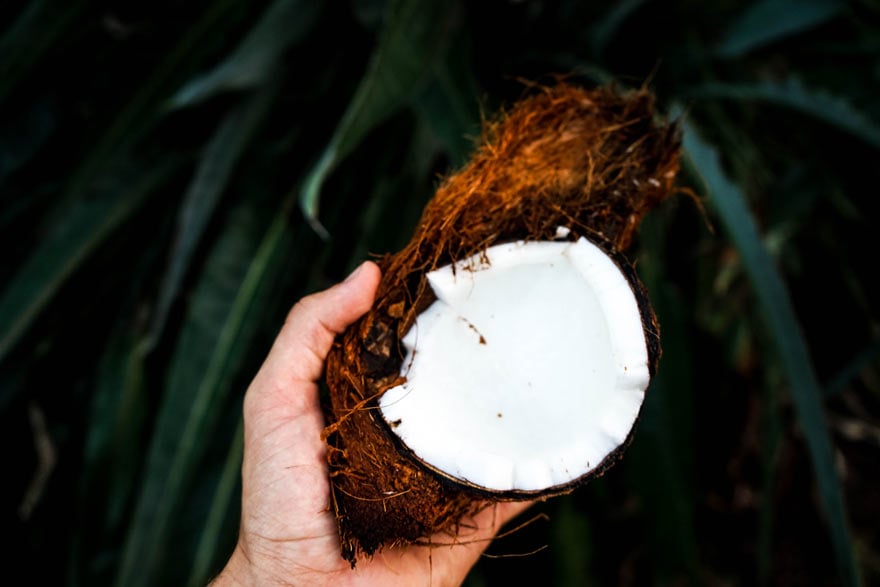
Coconut oil is made by extracting the oil from the coconut flesh. This leaves behind almost 100% of the fibre, carbohydrate and protein content, so that the oil extracted is almost pure fat. Although coconuts and coconut oil are exotic foods in the Western world, which tend to be consumed mostly by health-conscious people, due to their superfood properties. Coconuts are actually a dietary staple in a lot of other countries. Interestingly, countries with a high level of coconut consumption have very healthy populations. The best example is probably the Tokelauans and the Kitavans in the South Pacific. Nearly 60% of their dietary calories come from coconuts, and when studied, researchers found that they were exceptionally healthy with very low levels of heart disease, low cholesterol and very low risk of stroke.
The fairly recent surge in the popularity of coconut oil, in particular, is mainly due to the Paleo food movement and ketogenic diets, which encourage minimal calories from carbohydrates, moderate levels of calories from protein and a high intake of fats. Right, now that you know where we’re coming from, let’s dive into the pros and cons.
The Pros of Coconut Oil
Many proponents of coconut oil lean on its health benefits. And although it does have some interesting properties, as we all know, you can’t just judge a food by what it does well. So, what is coconut oil good for?
It’s rich in lauric acid
Lauric acid is a particular type of fatty acid which mimics healthy unsaturated fats by boosting good HDL cholesterol. Fans of coconut oil claim that this makes it healthier than other foods that are primarily saturated fats.
It has some anti-microbial and anti-viral properties
When the lauric acid in coconut is digested, it produces a substance called monolaurin. Researchers have found that this substance is particularly effective at killing harmful bacteria and pathogens, like Staphylococcus aureus (responsible for causing golden staph and other staph infections) and Candida albicans (which is responsible for a lot of yeast infections in humans.)
Rich in MCTs
Most foods high in fat (like animal products, for example) are made up of long-chain triglycerides and the fats in coconut oil are known as medium chain triglycerides (or MCTs). Basically all this means is that the fatty acid chains in MCTs are shorter, and digested differently by your body. Rather than being stored, they’re processed by the liver for easy fuel and turned into ketones. This is one of the reasons that coconut oil has become so popular.
May increase fat burning capabilities
According to research, consuming MCT oils, like those from coconut oil, may increase the amount of calories you burn. One study compared MCTs to LCTs (like those found in animal products) and found that 15-30 grams of MCT per day increased daily energy expenditure by about 5%. Depending on how much you weigh and how active you are, that’s about 120 calories per day.
The fat content in coconut oil may help you feel fuller for longer
The medium chain triglycerides in coconut oil are a particular type of fat that seems to have a hunger suppressing effect. Some researchers believe that it’s the ketones that are created when these MCTs are metabolised that help to quash hunger pangs, and others believe it’s the fat content that helps to reduce appetite. In any case, several studies have examined this effect and they found that people who ate MCTs tended to consume about 250 fewer calories per day, and when MCTs were consumed at breakfast, people ate a lot fewer calories at lunch.
Can help to reduce belly fat
Naturally, anything that reduces your appetite and helps you burn more calories is likely to result in weight loss. But what many researchers are interested in, is the fact that coconut oil seems to be particularly effective at getting rid of dangerous abdominal fat. One study found that just 30ml of coconut oil per day (that’s two tablespoons) reduced waist circumference over 12 weeks. Interestingly, in this study, although all groups experienced weight loss, only the group taking coconut oil saw reductions in waist circumference. Another study of coconut oil consumption noted abdominal fat loss of over 2.5cm in 4 weeks.
The Cons of Coconut Oil
Ok, time to get to the not-so-good stuff. Yep, although it’s got some pretty #magic powers, it’s also got some kinda meh properties too. Let’s find out the downside to coconut oil consumption. Here is what it’s bad at.
It is very energy dense
Yep. As you know from earlier in the program, fats are very calorically dense. They pack nine calories per gram, as opposed to protein and carbs, which are each four calories per gram. Coconut oil provides 505kJ per tablespoon. Yikes! That’s the equivalent of a boiled egg and two crackers, or a 50 gram chicken breast with salad. And 92% of those calories come from fat. So, while it does have some significant pros, it’s very calorific even in small quantities… which, as we know, is not great for anyone trying to lose weight.
It doesn’t contain antioxidants or vitamins
Now here’s an interesting fact. Despite all its health benefits, coconut oil lacks two very important things: antioxidants and vitamins. Most other fats, especially those like extra virgin olive oil, contain trace amounts of antioxidants and vitamins, but coconut oil does not.
It’s almost pure fat – and saturated fat at that
Yep, over 90 percent in fact. And of that fat content, nearly 100% is unhealthy saturated fats. And while there is some research on the benefits of the lauric acid/MCT content, the same research says that while it boosts good HDL cholesterol levels, it also increases bad LDL cholesterol levels and overall cholesterol levels as a whole. Current dietary guidelines recommend no more than 30% of your total calories should come from fat, and they also recommend that the bulk of these calories come from healthy polyunsaturated and monounsaturated fats. So… consume the high saturated fat content in coconut oil with caution.
It has been associated with increased risk of heart disease
A 2016 review found that because of its high saturated fat content and tendency to increase plasma lipids (that’s the levels of fat that circulate in your blood), frequent use of coconut oil should be discouraged.
The Bottom Line?
Comme ci, comme ca: essentially, a little from Column A, a little from Column B. Basically, no food is wholly good or wholly bad. That’s why when you consume a bunch of something, it can tend to have associated unwanted side effects. So, as we like to say, everything in moderation. Variety, balance and moderation are the keys to ongoing MasterFaster Life Mastery!